Your message reflects a deep sense of appreciation and an incredible journey fro...See More
Aug 22, 2025

Targeted Hormonal Treatments to Combat Specific Cancer Types

Localized Chemotherapy Techniques for Focused Cancer Treatment
.png)
Innovative Treatments to Boost the Immune Response Against Cancer
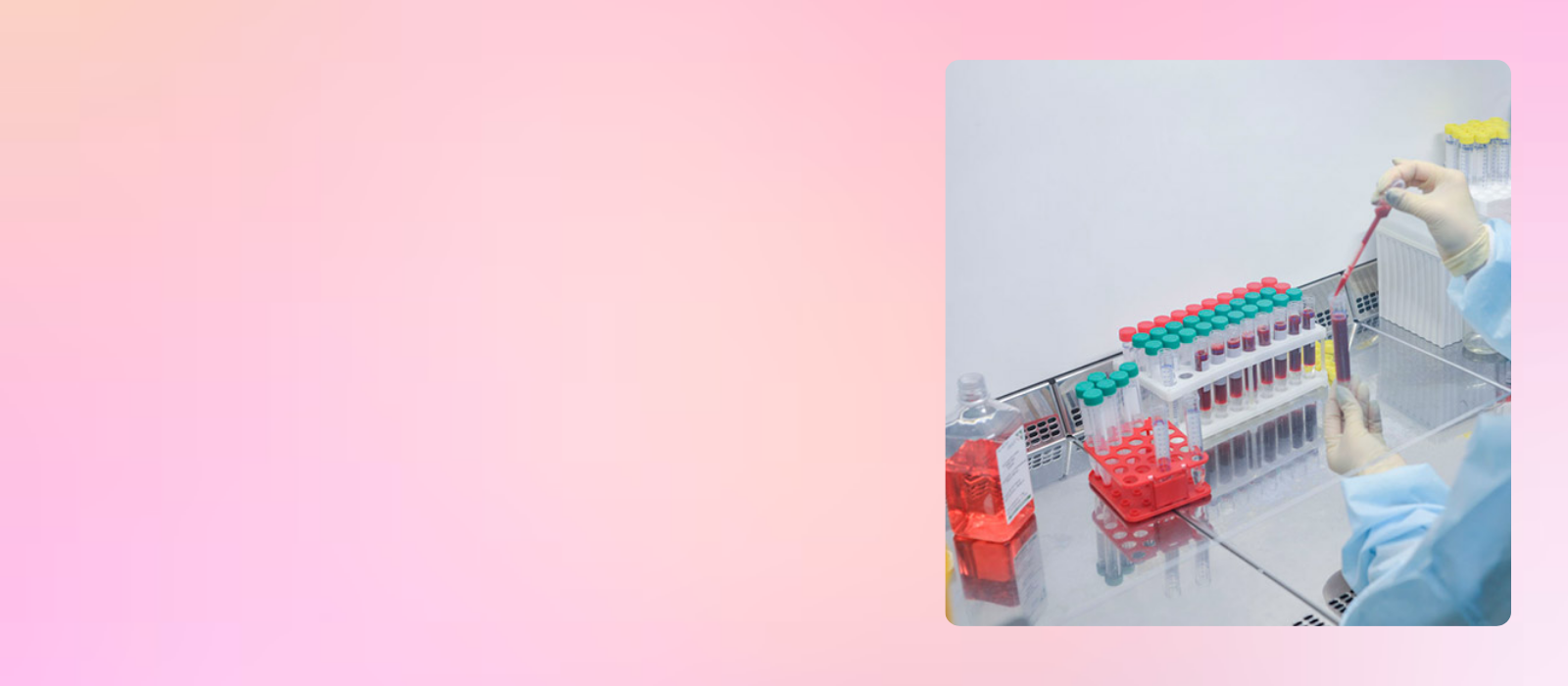
Explore Cutting-Edge Therapies for Optimal Cancer Care
.png)
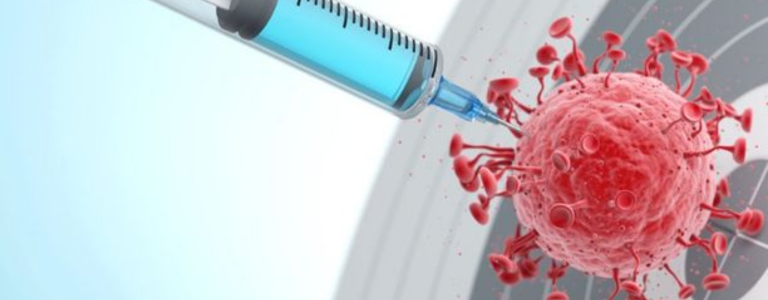
Precision Strategies to Directly Attack Cancer Cells
.png)
.png)
.png)
.png)
.png)
About Us
Years Of Experience
Chemotherapy Treatment
Expert Opinions on Radiotherapy
Satisfied Patients




Advanced Expertise in Hemato-Oncology and Cutting-Edge Therapies


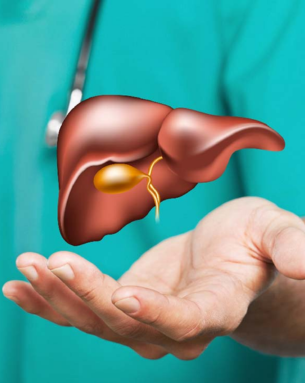
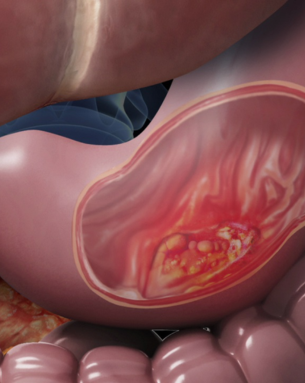
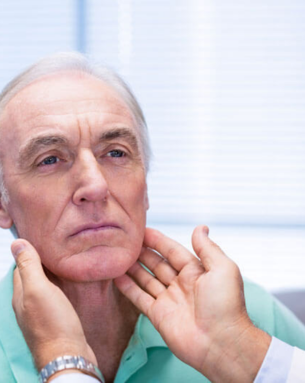
Stay informed with our latest updates, posts, announcements, and healthcare news
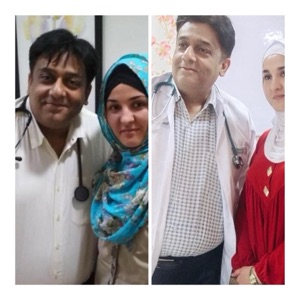
Your message reflects a deep sense of appreciation and an incredible journey fro...See More
Aug 22, 2025
Oncologist

What our Patients says about us
Our family has had the privilege of having my father under the care of Dr. Malay Nandy and Dr. Ruchir Tandon. Over the last seven years, they have been more than just physicians; they have been pillars of support. The clinical expertise they’ve shown in managing my father’s health is matched only by their deep humanity. They truly understand that healing requires both medical skill and emotional strength, consistently providing the 'positive talk' and reassurances that kept our spirits high. We also want to recognize the Oncology Department’s nursing whose efficiency and kindness have made every visit smoother. Our deepest thanks to Dr. Nandy and Dr. Tandon for their unwavering commitmenl

Dr Malay and Dr Ruchir are amazing doctors and human beings. The way they have managed my illness and me as person is too good. It needed a lot of positive talk and assurances and both the doctors were bang on it. Even the admin & nursing staff here at Oncology Department is amazing too good in their work and very helpful. Thank you so much Dr Malay and Dr Ruchir.
The best oncologist in town , very friendly, answers all your questions and very motivating. With him by your side this journey seems so much easier
Dr. Ruchir had treated my maasi. I was really stressed but the way he handled our interactions with such professionalism and empathy made me feel completely at ease.
I want to express my sincere appreciation for the exceptional care and respect for the confidentiality Dr. Ruchir has consistently shown towards our patient.
I want to express my sincere appreciation for the exceptional care and respect for the confidentiality Dr. Ruchir has consistently shown towards our patient. I am always confident that my privacy is respected, and deeply value the trust that has been built over time.
Dr. Ruchir’s expertise and compassion have made a profound difference in my life, and I truly thank him for his dedication to my well being.
I am incredibly grateful for the way Dr. Ruchir interacted with me when my mother and grandfather were his patients. I deeply appreciate the time he took to listen and address my concerns regarding their health. It’s truly reassuring to have such a reliable and compassionate doctor.
I can't express enough gratitude for the care and support I received from Dr. Ruchir Tandon when my Mother was diagnosed with Esophageal cancer. From the very first consultation, his expertise and dedication was excellent at every step, making a life threatening disease feel manageable and make me feel optimistic when I needed it most. He took the time to explain every procedure and answered all my questions with patience Throughout the treatment, my mother felt truly cared , both as a patient and as a person. Dr. Ruchir Tandon doesn't only treat the patients , he heals them.
Dr. Ruchir’s expertise and compassion have made a profound difference in my life, and I truly thank him for his dedication to my well being.
I am incredibly grateful for the way Dr. Ruchir interacted with me when my mother and grandfather were his patients. I deeply appreciate the time he took to listen and address my concerns regarding their health. It’s truly reassuring to have such a reliable and compassionate doctor.
I want to express my sincere appreciation for the exceptional care and respect for the confidentiality Dr. Ruchir has consistently shown towards our patient.
I want to express my sincere appreciation for the exceptional care and respect for the confidentiality Dr. Ruchir has consistently shown towards our patient. I am always confident that my privacy is respected, and deeply value the trust that has been built over time.
Dr. Ruchir your kindness and understanding have been a constant source of comfort, and I feel incredibly fortunate to have you as my clinician.
Dr. Ruchir had treated my maasi. I was really stressed but the way he handled our interactions with such professionalism and empathy made me feel completely at ease.
Dr. Ruchir’s is a great clinician. His ability to listen attentively, offer thoughtful guidance, and ensure that I am fully informed about my health reflects his genuine dedication to my well-being. It’s truly reassuring to have such a reliable and compassionate doctor.
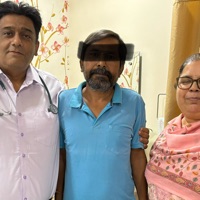
All smiles to say “merry Christmas “
All smiles when the treatment is over and warm hug to say merry Christmas

Regional chemotherapy offers several benefits, particularly in treating cancers that are localized to a specific area of the body. By delivering chemotherapy directly to the tumor, it can achieve higher concentrations of the drug in the cancerous tissue while minimizing systemic exposure and side effects. This targeted approach is especially useful for cancers that are difficult to treat with conventional chemotherapy, such as liver or peritoneal cancers. However, regional chemotherapy also has limitations. It requires specialized techniques and equipment, which may not be available in all treatment centers. Additionally, it is not suitable for cancers that have spread to multiple areas of the body. Despite these challenges, regional chemotherapy remains an important tool for certain cancer types, offering patients a more focused and potentially less toxic treatment option. Choose Dr. Ruchir Tandon, Hemato Medical Oncologist in Noida, for top-notch cancer care. Contact us to schedule your consultation now!
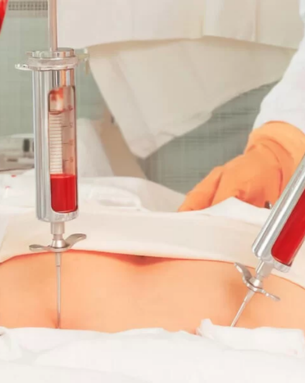
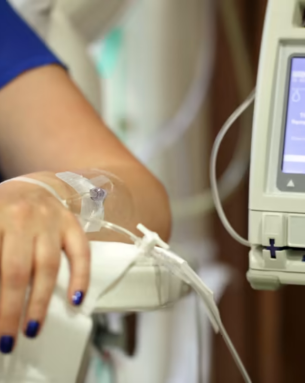
Regional chemotherapy is a type of cancer treatment that delivers high doses of chemotherapy directly to the tumor or the area surrounding it, rather than throughout the entire body. This localized approach allows for higher concentrations of the drug to be administered directly to the cancerous area, potentially increasing the effectiveness of the treatment while reducing systemic side effects. Common forms of regional chemotherapy include intra-arterial chemotherapy, where the drug is injected directly into the artery supplying the tumor, and intraperitoneal chemotherapy, used for cancers within the abdominal cavity. By targeting the cancer more precisely, regional chemotherapy can minimize exposure to healthy tissues, making it a valuable option for treating certain localized cancers. Need a Hemato Medical Oncologist in Noida? Dr. Ruchir Tandon provides advanced cancer treatments. Make an appointment today!
Conventional chemotherapy can cause a wide range of side effects due to its impact on healthy, rapidly dividing cells in the body. Common side effects include nausea and vomiting, hair loss, fatigue, and a higher risk of infections due to reduced white blood cell counts. Chemotherapy can also cause anemia, leading to weakness and shortness of breath, and can affect the digestive system, resulting in diarrhea or constipation. Some patients may experience mouth sores, changes in taste, and skin and nail changes. While these side effects can be challenging, they are often temporary and can be managed with supportive care and medications. The benefits of chemotherapy in controlling and potentially curing cancer often outweigh the temporary discomfort caused by these side effects. Discover the expertise of Dr. Ruchir Tandon, Hemato Medical Oncologist in Noida. Call us to book your cancer care consultation.
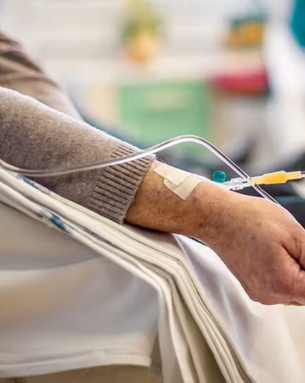
Conventional chemotherapy is a type of cancer treatment that uses drugs to kill rapidly dividing cells, a characteristic common to most cancer cells. Chemotherapy works by targeting these fast-growing cells throughout the body, which makes it a systemic treatment. Unlike targeted therapy, which focuses on specific molecules within cancer cells, conventional chemotherapy does not differentiate between healthy and cancerous cells, affecting any rapidly dividing cells, including those in the bone marrow, digestive tract, and hair follicles. This approach can effectively reduce the size of tumors, prevent cancer from spreading, and eliminate cancer cells that have spread to other parts of the body. Chemotherapy is often used in combination with other treatments, such as surgery and radiation therapy, to improve outcomes. Connect with Dr. Ruchir Tandon, Hemato Medical Oncologist in Noida, for tailored cancer treatment solutions. Schedule your visit today!
Endocrine therapy, also known as hormone therapy, is used to treat cancers that rely on hormones to grow, such as breast and prostate cancers. This treatment works by blocking the body's ability to produce hormones or interfering with hormone receptors on cancer cells. In breast cancer, endocrine therapy is often used for tumors that are hormone receptor-positive, meaning they grow in response to estrogen or progesterone. Common endocrine therapies include selective estrogen receptor modulators (SERMs), aromatase inhibitors, and androgen deprivation therapy for prostate cancer. Endocrine therapy can be used as an adjuvant treatment to reduce the risk of cancer recurrence after surgery or as a primary treatment in advanced cancer stages. Trust Dr. Ruchir Tandon, Hemato Medical Oncologist in Noida, for comprehensive cancer care. Book your appointment now for expert guidance.
The main benefit of targeted therapy is its ability to precisely attack cancer cells while sparing healthy cells, leading to fewer side effects compared to traditional chemotherapy. Targeted therapy has shown remarkable efficacy in treating cancers with specific genetic mutations, offering patients more personalized and effective treatment options. However, there are limitations to this approach. Not all cancers have identifiable targets, and even when they do, cancer cells can develop resistance to targeted therapies over time, rendering the treatment less effective. Additionally, targeted therapies can be expensive and may not be covered by all insurance plans. Despite these challenges, targeted therapy remains a critical component of modern oncology care, especially for cancers with well-defined molecular targets. Looking for a Hemato Medical Oncologist in Noida? Dr. Ruchir Tandon offers expert cancer care and advanced therapies. Contact us to learn more!
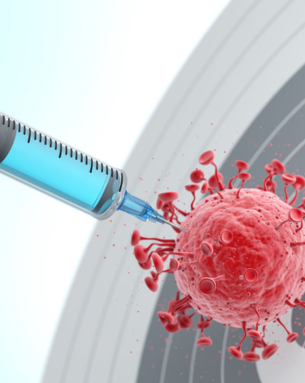
Targeted therapy is a type of cancer treatment that focuses on specific molecules or pathways involved in cancer cell growth and survival. Unlike traditional chemotherapy, which attacks rapidly dividing cells indiscriminately, targeted therapy aims to block specific proteins or genes that contribute to cancer development. This precision approach helps minimize damage to normal cells, potentially reducing side effects compared to chemotherapy. Examples of targeted therapies include drugs that block hormone receptors in breast cancer or inhibit growth factor receptors in lung cancer. Targeted therapy has revolutionized the treatment of many cancers, providing options that are more effective and less toxic than conventional treatments for patients whose tumors have specific genetic mutations or molecular alterations. Schedule a consultation with Dr. Ruchir Tandon, a leading Hemato Medical Oncologist in Noida, to discuss your personalized cancer treatment plan today.
While immunotherapy can be highly effective, it also comes with potential side effects due to its impact on the immune system. Common side effects include flu-like symptoms, such as fever, fatigue, and chills. More serious side effects can occur if the immune system starts attacking healthy cells and tissues, leading to conditions such as colitis, hepatitis, or pneumonitis. These immune-related side effects can range from mild to severe and may require treatment with corticosteroids or other immunosuppressive medications. The likelihood and severity of side effects can vary depending on the type of immunotherapy and the individual patient. Close monitoring and prompt management of side effects are crucial for patients undergoing immunotherapy to ensure safe and effective treatment. Experience comprehensive cancer treatment with Dr. Ruchir Tandon, Hemato Medical Oncologist in Noida. Contact us to book your visit.
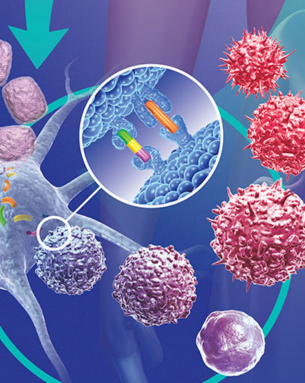
Immunotherapy is a form of cancer treatment that harnesses the body's immune system to fight cancer. Unlike traditional therapies that target the tumor directly, immunotherapy works by stimulating or enhancing the immune system's ability to recognize and destroy cancer cells. This can be achieved through various methods, such as checkpoint inhibitors, which block proteins that prevent the immune system from attacking cancer cells, and CAR-T cell therapy, which involves modifying a patient’s T cells to target cancer. Immunotherapy has shown significant success in treating various cancers, including melanoma, lung cancer, and certain types of leukemia. Its ability to provide long-lasting responses in some patients has made it a promising area of cancer research. For advanced cancer therapies, visit Dr. Ruchir Tandon, Hemato Medical Oncologist in Noida. Schedule your consultation today!
A bone marrow transplant can be a potentially life-saving treatment for certain types of cancers and blood disorders, offering the possibility of a cure or long-term remission. However, it also carries significant risks and potential complications. Short-term risks include infections, bleeding, and complications from the conditioning regimen, such as nausea, fatigue, or organ damage. Long-term risks can include graft-versus-host disease (GVHD) in allogeneic transplants, where the donor cells attack the recipient’s body. There is also a risk of relapse of the original disease. Despite these risks, the potential benefits, particularly for patients with no other effective treatment options, make BMT a critical component of oncology care. For advanced cancer therapies, visit Dr. Ruchir Tandon, Hemato Medical Oncologist in Noida. Schedule your consultation today!
A bone marrow transplant (BMT) is a medical procedure that involves replacing damaged or destroyed bone marrow with healthy bone marrow stem cells. It is commonly used to treat blood cancers like leukemia and lymphoma, as well as other blood disorders such as aplastic anemia or certain genetic diseases. There are two main types of BMT: autologous, where a patient's own cells are used, and allogeneic, where cells from a donor are used. The procedure is complex and involves conditioning with high doses of chemotherapy or radiation to destroy diseased cells before the transplant. Patients who are candidates for BMT often have conditions that do not respond well to standard treatments or are at high risk of relapse. Find specialized cancer care with Dr. Ruchir Tandon, Hemato Medical Oncologist in Noida. Book an appointment for expert treatment.
Radiation therapy can cause various side effects depending on the treatment area and the radiation dose. Common side effects include fatigue, skin changes such as redness or irritation, and hair loss at the treatment site. Other side effects may involve the organs or tissues near the treatment area, such as difficulty swallowing or shortness of breath for chest radiation. Long-term effects might include fibrosis, heart problems, or secondary cancers, although these are relatively rare. The severity and duration of side effects can vary from person to person. Advances in radiation techniques, such as targeted radiation, have helped minimize these effects, but ongoing communication with a healthcare provider is essential for managing any symptoms effectively. Find specialized cancer care with Dr. Ruchir Tandon, Hemato Medical Oncologist in Noida. Book an appointment for expert treatment.
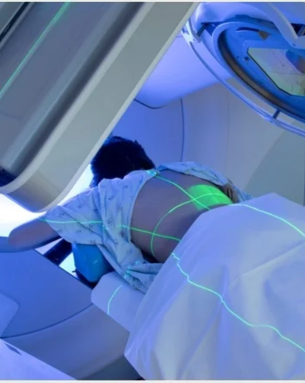
Radiation therapy is a cancer treatment that uses high doses of radiation to kill cancer cells or shrink tumors. It works by damaging the DNA of cancer cells, preventing them from growing and dividing. Radiation therapy can be used as a primary treatment or in combination with other treatments such as surgery, chemotherapy, or immunotherapy. It is often employed when the cancer is localized, meaning it has not spread to other parts of the body. It can also be used to relieve symptoms in advanced cancer stages. The decision to use radiation therapy depends on the type of cancer, its location, and the overall health and preferences of the patient. Choose Dr. Ruchir Tandon, Hemato Medical Oncologist in Noida, for top-notch cancer care. Contact us to schedule your consultation now!
While cancer screening is a valuable tool for early detection, it is not without risks. Some screening tests can lead to false positives, which means the test indicates cancer when it is not present, causing unnecessary anxiety and potentially invasive follow-up procedures. Conversely, false negatives can occur, where a test fails to detect cancer that is present. Some screening methods also expose patients to small amounts of radiation, such as mammograms. Additionally, overdiagnosis is a concern, where screening identifies cancers that may never cause symptoms or harm during a person’s lifetime, leading to unnecessary treatments. Despite these risks, the benefits of early detection and prevention of advanced cancer stages generally outweigh the potential downsides for most individuals. Need a Hemato Medical Oncologist in Noida? Dr. Ruchir Tandon provides advanced cancer treatments. Make an appointment today!
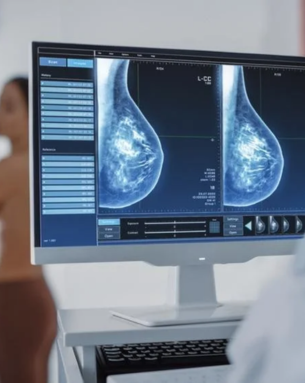
Cancer screening involves testing for cancer in individuals who do not show any symptoms. The goal is to detect cancer at an early stage when it is most treatable and before it has spread. Various screening tests are available depending on the type of cancer, such as mammograms for breast cancer, Pap smears for cervical cancer, and colonoscopies for colorectal cancer. The decision of who should get screened depends on factors like age, gender, family history, and individual risk factors. It is generally recommended for individuals with an average risk to start screenings at certain ages, but those with higher risk factors, such as a family history of cancer, might need to start earlier or have screenings more frequently. Discover the expertise of Dr. Ruchir Tandon, Hemato Medical Oncologist in Noida. Call us to book your cancer care consultation.
Preventive oncology differs from other types of oncology in its proactive approach to cancer care. While traditional oncology typically focuses on diagnosing and treating cancer once it has developed, preventive oncology aims to reduce cancer risk before it occurs. This involves a comprehensive strategy that includes educating the public about risk factors, promoting healthy lifestyle choices, and implementing early detection screenings. Preventive oncology also involves research into cancer epidemiology to understand trends and risk factors better, enabling more targeted prevention efforts. By focusing on prevention, this field helps reduce the incidence of cancer and the need for more aggressive treatments, ultimately leading to better patient outcomes and a reduction in healthcare costs. Connect with Dr. Ruchir Tandon, Hemato Medical Oncologist in Noida, for tailored cancer treatment solutions. Schedule your visit today!
Preventive oncology focuses on measures to prevent cancer before it develops or detect it early when treatment is more likely to be successful. This field encompasses a range of strategies, including lifestyle modifications, vaccinations, and regular screenings. By identifying and managing risk factors such as smoking, obesity, and exposure to carcinogens, preventive oncology aims to reduce the incidence of cancer. Early detection through screening programs, such as mammograms for breast cancer or colonoscopies for colorectal cancer, plays a crucial role in catching cancers at an earlier, more treatable stage. Preventive oncology is essential because it can significantly decrease cancer mortality rates and improve overall public health by reducing the burden of cancer. Trust Dr. Ruchir Tandon, Hemato Medical Oncologist in Noida, for comprehensive cancer care. Book your appointment now for expert guidance. Trust Dr. Ruchir Tandon, Hemato Medical Oncologist in Noida, for comprehensive cancer care. Book your appointment now for expert guidance.
Dr. Ruchir Tandon has a robust educational and professional background in oncology. He completed his MBBS from Calcutta University and went on to earn a DNB from the National Academy of Medical Sciences in New Delhi. He further specialized in Medical Oncology, obtaining a DM from YSR University of Health Sciences in Vijayawada. Additionally, he is certified by the European Board in Medical Oncology, reflecting his commitment to maintaining high standards in cancer care. Dr. Tandon has practiced at several prominent hospitals in Delhi NCR, such as GSL Medical College, Jaypee Hospital, Max Hospital, and Shri Jagannath Charitable Cancer Hospital. He is also actively involved in clinical research and is a member of respected international organizations like the European Society for Medical Oncology (ESMO) and the American Society of Clinical Oncology (ASCO). Looking for a Hemato Medical Oncologist in Noida? Dr. Ruchir Tandon offers expert cancer care and advanced therapies. Contact us to learn more!
Dr. Ruchir Tandon is a highly experienced Hemato Medical Oncologist with expertise in various advanced cancer treatments. His primary areas of specialization include targeted therapy, immunotherapy, and CAR-T cell therapy. These cutting-edge therapies are designed to provide personalized treatment options that focus on the unique characteristics of each patient's cancer. Dr. Tandon is also proficient in adaptive radiotherapy, proton therapy, and brachytherapy, which are advanced forms of radiation therapy that precisely target tumors while minimizing damage to surrounding healthy tissue. With his comprehensive knowledge and experience, Dr. Tandon has successfully treated a wide range of cancer types, helping patients achieve better outcomes and improve their quality of life. Schedule a consultation with Dr. Ruchir Tandon, a leading Hemato Medical Oncologist in Noida, to discuss your personalized cancer treatment plan today.
 Address :Yatharth Superspeciality Hospital, HO-01, Extension, Sector 1, Noida, Bisrakh Jalalpur, Gautam Buddha Nagar 201306, Uttar Pradesh Address :ShardaCare - Healthcity, Building 10A, Plot No. 32 & 34, Knowledge Park III, Greater Noida 201310, Uttar Pradesh